Fluorescent Hours: 69 After-Pub Pantomimes in the 24-Hour Aisle
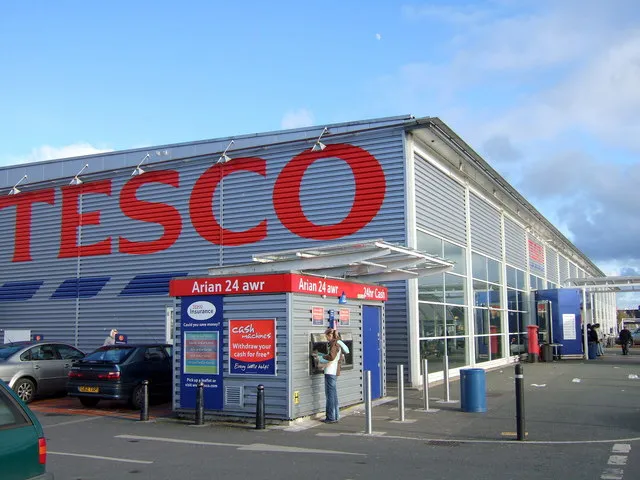
Photo: ceridwen, CC BY-SA 2.0, via Wikimedia Commons
The Nation's Late-Night Stage
At 2am, the 24-hour supermarket is not a shop. It is a stage with automatic doors. The pubs have emptied, the taxis are circling, and somewhere between the reduced bread and the self-checkouts a very British pantomime is beginning. In 2026 the fluorescent aisle remains our most democratic nightlife venue: no dress code, no guest list, and a soundtrack of fridges humming in B flat.
What follows is observational, not scientific. But anyone who has bought a single lemon at 3am knows that the supermarket after dark has characters, choreography and more plot than a soap opera.
The First Aisle
-
The reduced-item hunter who circles the yellow stickers like a bird of prey. They have a route and they have no mercy.
-
The man buying a single lemon at 2am with the gravity of a treaty. We may never know the reason. We respect it.
-
The couple having a whispered argument beside the ready meals. The lasagne is not taking sides.
-
The shelf-stacker who knows exactly which aisle is having a crisis. They are the stage manager of the night.
-
The person who enters for milk and leaves with a paddling pool. This is how summer starts in Britain.
-
The self-checkout that says 'unexpected item in bagging area' like a judge. It has never been wrong, which is the problem.
-
The security guard doing a slow lap that is really a pastoral tour. They are checking the aisles and the mood.
-
The group of lads buying ice cream as a peace treaty. The argument is over. The sprinkles are diplomatic.
-
The woman in pyjamas treating the freezer aisle like a spa. The cold air is a treatment, and it is free.
-
The man comparing two identical tins for four minutes. The difference is philosophical.
-
The taxi driver buying energy drinks and a romantic card. The night shift contains multitudes.
-
The late-night baker who is the only person who knows the truth. They have seen the dough and the people.
-
The couple buying nappies and prosecco, refusing to explain. Parenting is a broad church.
-
The person who asks staff where the hummus is, as if it moved. The hummus has not moved. The person has.
-
The trolley with a squeaky wheel that becomes the soundtrack. By aisle nine, it is the lead actor.
-
The man eating a sausage roll before he reaches the till. The till is a formality.
-
The teenager buying a cucumber with intense dignity. The dignity is noted and respected.
-
The woman returning a microwave at midnight; nobody asks. The microwave has had a short and dramatic career.
-
The insomniac reading cereal boxes like literature. The back of the box is a novella.
-
The bloke who buys a whole chicken and a single mint. A roast for one, with a garnish of mystery.
-
The couple splitting up the shopping list like a divorce settlement. The frozen peas are contested territory.
-
The person who has clearly come in to warm up. They are browsing the biscuits with the heat of a radiator.
-
The staff member restocking crisps with the calm of a chess grandmaster. The crisps are many; the calm is earned.
-
The friend group debating condiments like a cabinet meeting. The ketchup is a backbencher with ambition.
-
The man who buys six yoghurts and no spoon. He has a plan, and the plan is at home.
The Middle of the Night
-
The self-scan machine that refuses to accept a plastic bag as a lifestyle. The bag is not the problem. The machine is.
-
The woman buying a birthday cake and candles at 3am for someone who is asleep. The cake will be a surprise, and the candles will be a clue.
-
The person who walks the length of the shop to avoid a conversation. They have chosen the long way round for peace.
-
The security guard saying 'night, mate' like a benediction. It is the closest thing to a closing speech.
-
The man who buys a newspaper at 3am because he is in a film. The film is in his head, and it is black and white.
-
The couple who meet in the frozen peas aisle and call it fate. The peas are a very cold meet-cute.
-
The person buying bleach and ice cream, causing quiet alarm. The ice cream is the alibi.
-
The staff member on the till who has seen everything and is unmoved. They are the high priest of the receipt.
-
The man who puts back a beer and buys a banana, a small redemption. The banana does not judge.
-
The woman who asks if the bakery is open, knowing it is not. Hope is a late-night shopper.
-
The group who enter loudly and leave in silence, holding crisps. The crisps have restored order.
-
The person who buys a single oven chip from the hot counter. A portion of one is a statement.
-
The late-night philosopher by the reduced bread. They are considering the universe and the date on the label.
-
The man who buys a mop and a lottery ticket: hope and consequences. One of these will change his life.
-
The couple who argue about biscuits in a way that suggests history. The chocolate digestives are a loaded subject.
-
The staff member mopping the floor like they are erasing the night. The mop is a quiet therapist.
-
The person who buys cat food and a sandwich, prioritising correctly. The cat is waiting; the sandwich is negotiation.
-
The man who stands in front of the yogurt for so long he becomes scenery. A shopper walks around him, respectfully.
-
The woman who buys a whole cheesecake and one fork. The fork is an optimist.
-
The friend sent to buy ice who returns with a plant. The plant is now part of the group.
-
The person who uses the self-checkout to avoid small talk and then needs help. The machine has forced a conversation.
-
The man who buys a birthday card, a lighter and a cucumber. The narrative writes itself, badly.
-
The staff member who says 'we close in five' to a 24-hour shop as a joke. The joke is for them. The shop is forever.
-
The woman who buys a single tomato and a magazine. The tomato is a snack; the magazine is a holiday.
-
The person who enters just to use the loo and leaves with a meal deal. The meal deal is a toll.
Last Receipts
-
The man who buys a hot water bottle in July, which is a mood. The mood is British summer.
-
The couple who buy matching toothbrushes and do not acknowledge it. The toothbrushes acknowledge it for them.
-
The person who asks for cigarettes and is told the kiosk is closed. The night has a boundary after all.
-
The staff member stacking shelves with the focus of a surgeon. The beans are in theatre.
-
The man who buys a pizza and a salad, calling it balance. The salad is a garnish for the conscience.
-
The woman who buys a box of tea and a lottery ticket. One is a certainty; the other is a dream.
-
The group who buy a watermelon and a knife, causing a pause. The pause is the security guard's audition.
-
The person who buys a single leek and a bottle of gin. The leek is for soup; the gin is for the soup maker.
-
The man who buys a mousetrap and cheese, a complete narrative. The cheese is the bait and the snack.
-
The staff member who knows the regulars by their baskets. The basket is a calling card.
-
The woman who buys a card saying 'Sorry' and a bottle of wine. The wine is the apology's press officer.
-
The man who buys a dustpan and brush at 3am, suggesting a night. The night has been eventful and crunchy.
-
The person who buys a pot noodle and a fork, then remembers. The fork is a hopeful purchase.
-
The couple who buy a ready meal for one and a second spoon. The second spoon is a treaty.
-
The staff member who says 'have a good night' with the neutrality of a judge. It is both kindness and warning.
-
The man who buys a single egg and a lottery ticket. Breakfast and fantasy in one basket.
-
The person who leaves without buying anything and thanks the staff anyway. The supermarket has been a shelter, not a shop.
-
The woman who buys a plant pot and a bag of ice. Gardening and cocktails, in that order.
-
The till receipt that becomes a novel by the time you get home. In 2026, the late-night aisle is still writing Britain's strangest literature.
The Doors Close, the Night Continues
The 24-hour supermarket after the pubs has its own etiquette: move slowly, avoid eye contact, respect the reduced stickers, and never ask a stranger why they are buying one lemon. It is nightlife without a DJ, a dance floor without a dress code. The fluorescent lights are unflattering, the plot is thin, and the cast is magnificent. Britain does not need a grand theatre at 3am. It has an aisle, a trolley and a receipt.