Shelf Life: 69 Charity-Shop Curios That Turn Britain Into a Museum by Accident
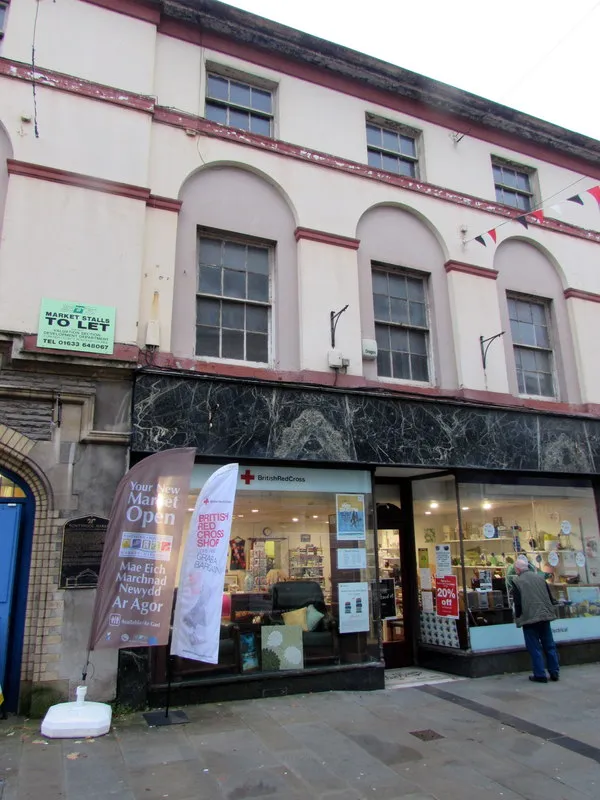
Photo: Jaggery , CC BY-SA 2.0, via Wikimedia Commons
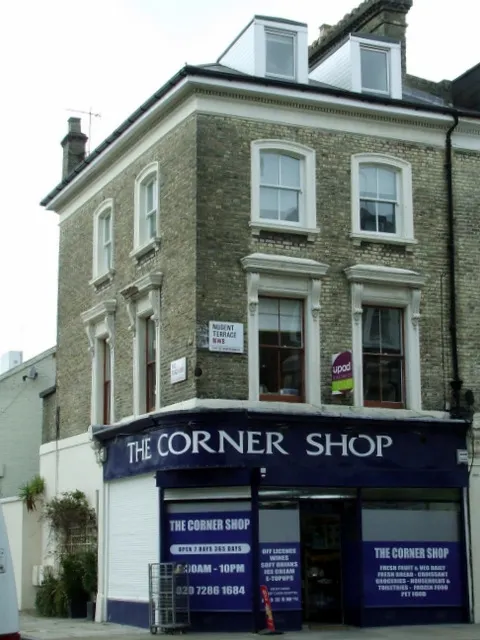
Charity shops do not set out to be museums. They set out to shift a lamp, a jigsaw and a mug for 69p, and somehow end up curating the nation’s domestic subconscious. In 2026, with high streets full of empty units and online shopping promising same-day everything, the charity shop window remains gloriously analogue: a stage set of other people’s former lives, priced with optimism and a sticker gun.
This is the accidental national museum. No audio guide, no gift shop, no consensus on what counts as history. Just a shelf of objects that say: we were here, we had a conservatory, we once went to Skegness. Below are 69 artefacts of the type that pass through British charity shops with quiet regularity. Treat them as exhibits, not a shopping list. Though if you need a single curtain tie-back, you know where to go.
The 69p Vitrine
The charity shop window is a vitrine with better gossip than the V&A. It is arranged by whoever is on shift, which means a Toby jug can end up next to a self-help paperback and a pair of unused oven gloves. The effect is not chaos. It is collage. It is Britain explaining itself in bric-a-brac, one 69p sticker at a time.
A note on method: these are types, not one heroic haul. The scale is elastic. Some are tiny; some are merely small enough to carry home and regret. All are artefacts of taste, thrift and the British reluctance to throw anything away if it still has a ghost of a use.
Ceramics With Opinions (1–10)
- A commemorative mug for a royal occasion nobody can quite date.
- A World’s Best Dad mug with a handle repaired by hope.
- A souvenir teaspoon from a seaside town that has since rebranded.
- A decorative plate featuring a cat in a bonnet.
- A Toby jug with a slightly threatening grin.
- A novelty egg cup shaped like a chicken.
- A chipped gravy boat from a wedding service.
- A ceramic hedgehog, one eye missing.
- A brass candlestick with wax from another century.
- A framed print of a seagull, signed by nobody.
Kitchen Smalls & Domestic Rumours (11–20)
- A single fondue fork.
- A lemon squeezer with rust freckles.
- A jelly mould in the shape of a rabbit.
- A toast rack bent into abstract sculpture.
- An egg slicer with one wire left.
- A tea towel listing the counties of Britain, spelling disputed.
- A shot glass from a resort abroad.
- A novelty ice bucket shaped like a pineapple.
- A set of four mismatched coasters.
- A bread maker manual, no machine.
Cables, Chargers & Manuals (21–30)
- A mystery cable with three ends and no purpose.
- A Nokia charger for a phone in the afterlife.
- A remote control for a television that has left the building.
- A floppy disk labelled TAXES 98.
- A minidisc in a clear case.
- A Walkman with a chewed tape inside.
- A cassette single by a band who had one hit.
- A plug adapter for a country not specified.
- An instruction booklet for a bread maker, again.
- A single curtain tie-back, committed to solitude.
Leisure, Games & Half-Finished Evenings (31–40)
- A jigsaw with the corner piece missing.
- A deck of playing cards, 51 present.
- A Scrabble tile, letter Q.
- A domino with a wobble.
- A chess piece, probably a pawn.
- A poker chip from a casino night that ended early.
- A dart flight, lonely.
- A snooker chalk, blue.
- A golf ball with a smiley face.
- A tennis racket with a broken string.
Nightlife Residue (41–50)
- A pub ashtray repurposed as a dish.
- A beer mat from a brewery that closed.
- A matchbook from a hotel bar.
- A cocktail umbrella, collapsed.
- A wine decanter with a chip.
- A novelty cocktail stirrer shaped like a flamingo.
- A single wine glass with a lipstick ghost.
- A cork collection in a jar.
- A bar towel with a mystery stain.
- A karaoke microphone with no cable.
Dress-Up & Personal Effects (51–60)
- A single wellington boot, size 7.
- A shoe tree with one shoe’s ambition.
- A cufflink monogrammed for someone else.
- A tie clip shaped like a saxophone.
- A pearl necklace, probably faux, possibly haunted.
- A brooch in the shape of a Scottie dog.
- A hair curler from an 1980s set.
- A hat stand missing its hats.
- An umbrella with a bent rib.
- A gym weight, 1kg, emotionally heavy.
The Final Vitrine (61–69)
- A lava lamp with cloudy ambition.
- A CD rack, empty.
- A landline phone with curly cord.
- A fax machine manual.
- A car boot sale cardboard box, price sticker attached.
- A bicycle bell with a dull ring.
- A framed photo of a stranger’s wedding.
- A mystery key with no lock.
- A wooden duck on wheels.
What the 69p Museum Tells Us
The charity shop is not nostalgic in a soft-focus way. It is nostalgic in a practical way: here is the stuff we bought, used, forgot and finally released back into the wild. In 2026, when so much of life is smoothed into apps and algorithms, the 69p museum is stubbornly physical. It smells of dust and furniture polish. It asks you to pick things up.
Some objects are genuinely useful. Most are not. The mystery cable will never find its device. The single wellington boot will never meet its partner. But that is the point. Britain’s charity shops are a national collection of almosts: almost royal, almost useful, almost stylish, almost thrown away. The price tag is tiny. The story is not.
And if you leave with nothing but a 69p wooden duck, you have still visited the most honest museum in the country. Admission free. Bag for life optional.